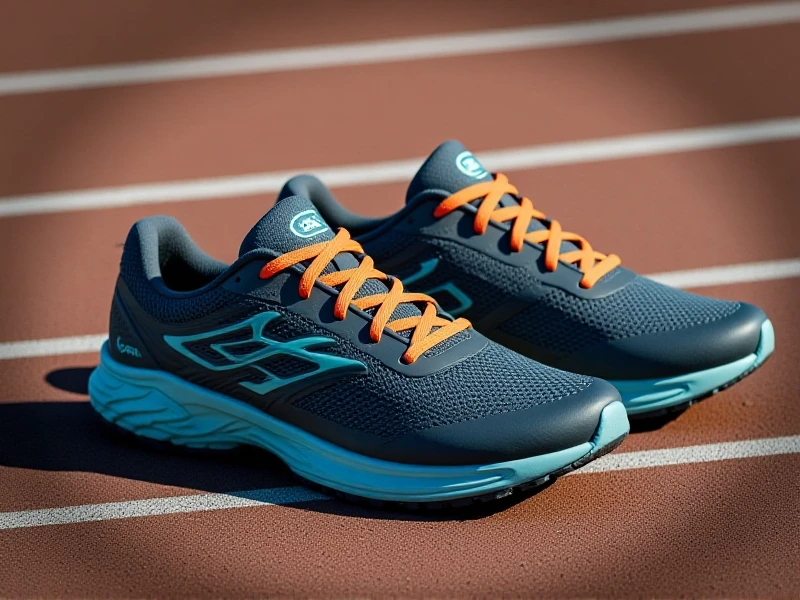
Unlock Your Potential with the Right Training Shoes
Choosing the perfect footwear for your workouts isn't just about style; it's a crucial decision impacting your performance and protection. Training shoes are specifically engineered for the dynamic, multi-directional movements common in gyms, HIIT sessions, and functional fitness. Unlike running shoes optimized for forward motion, training shoes offer the versatility and support your feet desperately need during lateral cuts, jumps, lifts, and quick pivots.
So, what makes training shoes stand out? Key features ensure they deliver:
- Stability and Support: A firmer, wider base provides a solid platform for lifting weights (squats, deadlifts). Enhanced heel counters and midsoles minimize unwanted foot roll during side-to-side movements.
- Traction and Flexibility: The outsole uses versatile rubber patterns offering excellent grip on gym floors. Flexibility under the forefoot is vital for explosive movements like box jumps or burpees.
- Durability: These shoes are built tough to withstand abrasion from sled pushes, rope climbs, and constant friction across various surfaces.
- Midfoot Security: A secure fit through the midfoot, often aided by robust lacing systems or supportive overlays, keeps your foot locked in place during quick changes of direction, preventing slips inside the shoe.
Why Can't My Running Shoes Do It All?
While fantastic for pounding the pavement, running shoes lack the lateral support foundation. Their focus on cushioning for heel-to-toe motion often creates instability during agility drills or heavy lifts, increasing the risk of rolled ankles or compromised form. Dedicated training shoes provide the confidence to move powerfully and safely in all planes of motion.
Finding Your Ideal Training Shoe Fit:
- Try Them On: Visit a reputable store late in the day when feet are slightly swollen.
- Consider Your Activities: Prioritize stability and a wide base if you lift heavy often. Choose something lighter with great bend if agility drills dominate your sessions.
- The Thumb Test: Ensure about a thumb's width of space between your longest toe and the shoe's end. Heel slippage is a no-go.
- Test Movements: Mimic lunges, lateral shuffles, and jumps right in the store. Does the shoe feel supportive and stable? Can your foot bend naturally? Does your heel stay put? Do they feel lightweight enough for quick moves?
Investing in quality training shoes isn't an extravagance; it's an intelligent investment in maximizing your results and minimizing injury risk. Your feet and joints deserve the support specifically designed for the demands of versatile training. Find your perfect pair, lace up securely, and step into your next workout with the confidence that your foundation is ready to move with you. Shop now to elevate your gym game!