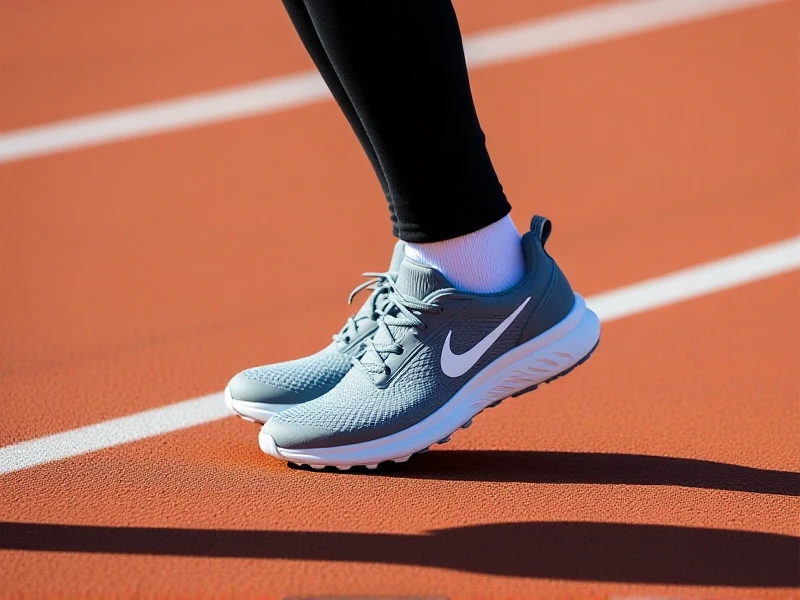
Discover the Ultimate Training Shoes for Peak Performance
Choosing the right training shoes isn't just about comfort; it's the foundation for safety, performance, and smashing your fitness goals. Unlike specialized running shoes or weightlifting kicks, versatile training footwear is engineered to handle the multidirectional demands of the gym, HIIT classes, agility drills, and functional training. Get it wrong, and you risk discomfort, inefficiency, or even injury. Get it right, and you unlock your potential.
Why Dedicated Training Shoes Matter
Your feet and ankles face complex forces during dynamic movements like lateral shuffles, box jumps, burpees, or kettlebell swings. Running shoes are designed for forward motion, featuring significant heel cushioning and heel-to-toe drop. Using them for lateral movements creates instability, increasing the risk of rolling an ankle. True training shoes, however, prioritize:
- Flat, Stable Base: Often a wider base and minimal heel-to-toe drop enhance ground feel and balance during lifts and sudden stops.
- Enhanced Lateral Support: Reinforced sides (walls or overlays) cradle your foot, preventing excessive inward or outward rolling during side-to-side motions, crucial for agility.
- Responsive, Mid-Level Cushioning: You need enough cushion to absorb impacts from jumps but not so much that it feels mushy or unstable during weightlifting. The foam needs to be responsive for explosive power.
- Durable, Flexible Outsole: The tread pattern typically features multi-directional rubber lugs to offer grip in all directions – forwards, backwards, and laterally. The sole also needs enough flexibility for natural foot movement but remains firm under load.
- Secure Fit and Breathability: A locked-down midfoot prevents slipping within the shoe, while breathable uppers keep feet cool during intense sessions.
Finding Your Perfect Pair: Key Considerations for Training Shoes
- Your Primary Activities: Do you focus heavily on CrossFit, HIIT circuits, strength training, or agility work? Some models lean slightly more towards weightlifting stability, while others excel at versatility for mixed modalities.
- Foot Type: How do you pronate (your foot's natural inward roll)? Neutral pronators usually have the most options. Overpronators might need more built-in stability features, while underpronators (supinators) often prefer neutral cushioned shoes. Consider your arch height as well.
- Fit and Comfort: This is paramount. Your toes shouldn't jam the front. Your heel should be locked without slippage, and the midfoot should feel secure without pinching. There should be enough room for natural toe splay during movements. Never assume your size in other shoes automatically works here – try them on in the afternoon when feet swell slightly.
Unlock Your Potential with the Right Foundation
Investing in high-quality training shoes specifically designed for the rigors of the gym floor is an investment in your safety and your results. They bridge the gap between specialized footwear, offering the stability for lifting, the cushion for jumps, and the lateral support for agility. Don't let inadequate footwear hold you back. Take the time to find the training shoes that provide the blend of stability, responsiveness, and durability your unique workouts demand. Your feet, and your performance, will thank you after the hundredth burpee!