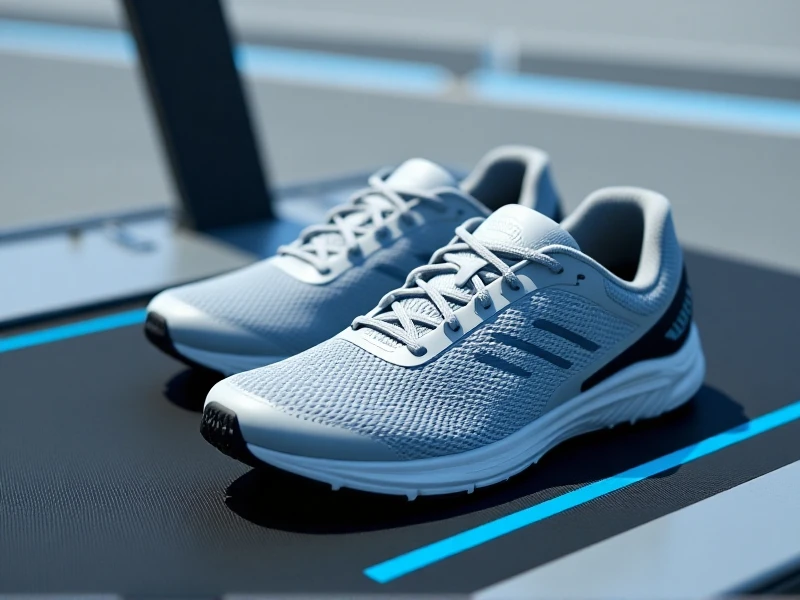
The Ultimate Guide to Choosing Your Perfect Training Shoes
Here is the SEO-optimized article focusing on "Training Shoes":
Finding the right footwear for your workouts is crucial, whether you're hitting the gym, attending a HIIT class, or mixing weights with cardio. Training shoes are specifically engineered for the diverse, multi-directional movements these activities demand, offering the ideal blend of support and versatility that general sneakers simply can't match. Let's dive into why dedicated training shoes deserve a spot in your gear bag and how to pick your perfect pair.
Unlike running shoes designed primarily for forward motion, or specialized weightlifting shoes built for maximum stability under heavy loads, training shoes excel as all-rounders. They shine during dynamic activities like agility drills, lateral lunges, box jumps, kettlebell swings, plyometrics, and circuit training. The key lies in their balanced design:
- Lateral Support & Stability: Look for a wider base and firmer midsole construction compared to running shoes. This prevents excessive ankle roll during side-to-side movements and provides a stable platform for lifts like squats or overhead presses. Your ankles need secure support, especially on uneven surfaces like turf or during explosive jumps.
- Responsive Cushioning: Good training shoes offer enough cushioning to absorb impact from jumps or short sprints without being overly soft like maximalist running shoes. You want energy return for quick movements without sacrificing ground feel – essential for maintaining stability under load.
- Traction & Flexibility: The outsole needs a grippy, multi-directional pattern (like hexagonal lugs or a pivot point) allowing you to push off aggressively, stop quickly, and change direction without slipping, whether on gym floors or artificial turf. Flexibility in the forefoot facilitates natural motion during lunges or sprints, while the heel remains stable.
- Durable Upper: Expect breathable mesh uppers reinforced with overlays for structure, lockdown, and abrasion resistance during rope climbs or burpees. A secure fit is paramount to keep your foot locked in place during complex maneuvers.
Choosing Your Training Shoes:
- Understand Your Workout: Are you mostly in weightlifting classes? Functional fitness (CrossFit-type training)? General gym circuits? Shoes exist on a spectrum from more stability-focused (ideal for lifting-heavy workouts) to more versatile performers.
- Prioritize Fit: They should feel snug but not tight, with no heel slippage and ample toe box room (consider wide-width options if needed). Try them on with performance socks.
- Consider Your Foot: Do you overpronate? Need more arch support? Some training shoes offer different stability features.
- Try Before You Buy (If Possible): Test movements like lateral shuffles, squats, and lunges.
Investing in proper training shoes isn't just about comfort; it's about performance enhancement and injury prevention. The right pair becomes an extension of your determination on the gym floor – your foundation for pushing harder, moving smarter, and achieving your goals. Ditch the "one sneaker fits all" approach and experience the difference dedicated training shoes make when tackling your next workout challenge. Explore different brands and models; the perfect support and feel are out there. Fuel your passion, find your fit, and conquer your training.